


Roofing decisions are often made in response to immediate problems. A leak appears, materials wear out, or a storm causes damage, and action is taken to fix what is visible. While this reactive approach is common, it rarely leads to the best long-term outcomes for a property.
A roof should be managed as part of a broader property strategy rather than as a standalone concern. Repair, installation, and replacement each serve different purposes at different stages of a roof’s life. Understanding how these actions fit together allows property owners to control costs, reduce disruption, and protect long-term value.
Professionals such as Upright Roofing and Construction often approach roofing from this strategic perspective, helping owners align short-term actions with long-term goals. When roofing decisions are planned instead of rushed, the roof becomes a predictable asset rather than an ongoing problem.
Viewing the Roof as a Long-Term System
A roof is not a single event or expense. It is a system that evolves over time, influenced by weather, building use, and maintenance.
Thinking strategically means recognizing that repair, installation, and replacement are phases within a lifecycle. Each phase has a role in preserving performance and managing risk.
When owners understand this lifecycle, decisions become clearer and more intentional.
The Role of Roof Repair in Property Strategy
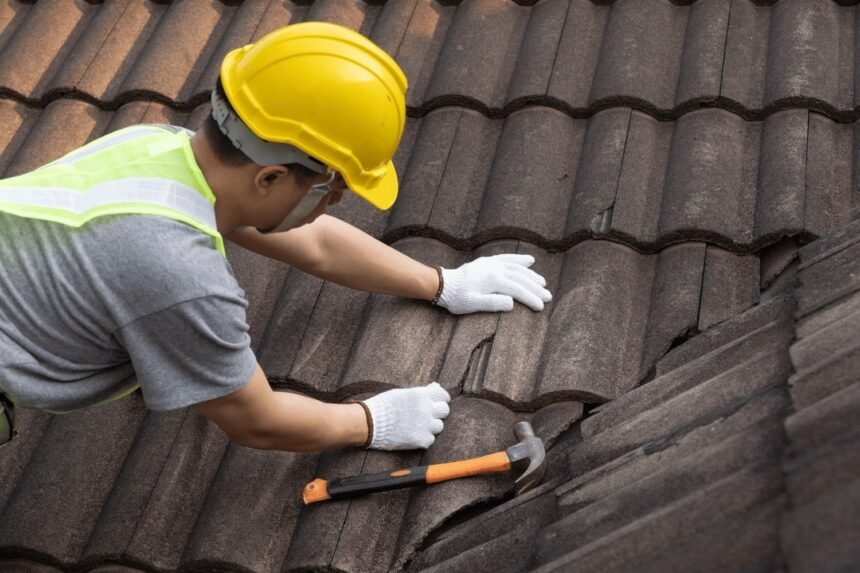
Roof repair is most effective when used to address isolated issues early. Strategic repairs stabilize performance and prevent small problems from spreading.
Repairs protect underlying components such as insulation and decking, preserving structural integrity. When timed correctly, repair extends usable life without significant disruption.
In a long-term strategy, repair is a preservation tool rather than a temporary fix.
Avoiding Overreliance on Repairs
While repairs are valuable, overreliance can be counterproductive. Repeated repairs may signal broader system decline.
Strategic planning recognizes when repairs are no longer cost-effective. Continuing to repair a failing system often increases total expense and risk.
Knowing when to shift from repair to replacement is a key strategic decision.
Installation as the Foundation of Performance
Installation sets the baseline for everything that follows. Quality installation affects how often repairs are needed and how long replacement can be delayed.
Installation decisions influence drainage, ventilation, insulation, and access for maintenance. These factors shape performance for decades.
Strategic installation is an investment in long-term stability rather than short-term completion.
Aligning Installation With Property Goals
Property goals vary. Some owners prioritize minimal maintenance, while others focus on energy efficiency or resale value.
Installation choices should align with these goals. Material selection, system design, and detailing should support intended outcomes.
Aligning installation with goals prevents regret and costly changes later.
Replacement as a Planned Transition
Roof replacement is often viewed as a failure point. Strategically, it is better understood as a planned transition.
Replacing a roof at the right time prevents structural damage and operational disruption. Planned replacement allows for better budgeting and scheduling.
In a long-term strategy, replacement is proactive rather than reactive.
Timing Replacement for Maximum Value
Timing is critical in replacement strategy. Replacing too early may waste remaining lifespan, while replacing too late increases damage risk.
Strategic timing balances material condition, maintenance history, and future plans. This balance maximizes return on investment.
Planned timing reduces emergency costs and stress.
Integrating Repair Into Replacement Planning
Repairs can support future replacement when planned intentionally. Strategic repairs focus on stabilizing critical areas while avoiding unnecessary investment.
This approach buys time without compromising future work. Repairs are selected to complement, not complicate, eventual replacement.
Integration avoids wasted effort and duplicated costs.
Managing Roofing Decisions Around Budget Cycles
Long-term property strategy includes financial planning. Roofing decisions should align with budget cycles rather than disrupt them.
Repairs can bridge gaps between budget years. Replacement can be scheduled to align with capital planning.
Financial alignment improves predictability and reduces strain.
Reducing Disruption Through Phased Decisions
For occupied buildings, disruption is a major concern. Strategic planning allows for phased repairs or staged replacement.
Phasing work minimizes operational impact while maintaining roof performance. This is especially valuable for businesses and multi-unit properties.
Reducing disruption supports continuity and tenant satisfaction.
Maintenance as a Strategic Connector
Maintenance connects repair, installation, and replacement. It provides the data needed to make informed decisions.
Inspection records and maintenance history reveal trends and inform timing. Without maintenance, strategy becomes guesswork.
Consistent maintenance supports proactive planning.
Using Data Instead of Assumptions
Assumptions lead to reactive decisions. Data supports strategic ones.
Condition assessments, moisture scans, and inspection reports provide clarity. This information guides whether repair, continued maintenance, or replacement is appropriate.
Data-driven strategy reduces uncertainty.
Protecting Structural Integrity Over Time
Roofing decisions directly affect structural components. Moisture intrusion and load imbalance cause long-term damage.
Strategic planning prioritizes protecting structure at every phase. Repairs stop intrusion, installation ensures balance, and replacement restores integrity.
Structure protection underpins property longevity.
Energy Performance as a Strategic Consideration
Energy efficiency is often overlooked in roofing strategy. Insulation, air sealing, and reflectivity affect operating costs.
Strategic installation and replacement incorporate efficiency improvements. Repairs protect existing insulation from moisture damage.
Energy performance contributes to long-term savings.
Aligning Roofing With Property Lifecycle
Properties evolve. Usage changes, ownership transitions, and renovations occur.
Roofing strategy should align with these changes. A roof installed for current use may not suit future needs.
Strategic planning anticipates change and adapts accordingly.
Avoiding Crisis-Driven Decisions
Crisis-driven roofing decisions are often expensive and disruptive. They limit options and increase stress.
Strategic planning reduces the likelihood of emergencies. Issues are addressed before they escalate.
Avoiding crises is a major benefit of long-term strategy.
The Role of Professional Guidance
Strategic roofing requires experience and perspective. Professionals help interpret data and anticipate outcomes.
In the middle of many long-term planning conversations, Upright Roofing and Construction emphasizes aligning roofing decisions with property goals rather than short-term pressures.
Professional guidance supports smarter choices.
Measuring Success Over Time
Success is not defined by installation completion. It is measured by years of stable performance.
Low maintenance demand, predictable costs, and minimal disruption indicate strategic success.
These outcomes reflect effective planning.
Supporting Property Value and Marketability
Well-managed roofs enhance property value. Buyers and inspectors recognize proactive care and thoughtful planning.
Neglected or repeatedly repaired roofs raise concerns. Strategy protects marketability.
Value preservation is a long-term benefit.
Building Owner Confidence Through Planning
Uncertainty creates stress. Strategic roofing decisions reduce uncertainty.
Owners gain confidence knowing when repairs will be needed and when replacement is expected.
Confidence improves ownership experience.
Creating a Roofing Roadmap
A long-term property strategy includes a roofing roadmap. This roadmap outlines expected phases and decision points.
Clear planning reduces surprises and supports coordination with other projects.
A roadmap transforms roofing into a managed process.
Conclusion
Roof repair, installation, and replacement each play distinct roles within a long-term property strategy. When these actions are coordinated rather than reactive, owners gain control over cost, performance, and disruption.
Strategic repair preserves integrity, thoughtful installation sets the foundation, and planned replacement ensures continuity. Together, they create a predictable roofing lifecycle.
For property owners seeking clarity and long-term reliability, Upright Roofing and Construction represents an approach that treats roofing decisions as part of a broader strategy designed to protect value, performance, and peace of mind over time.