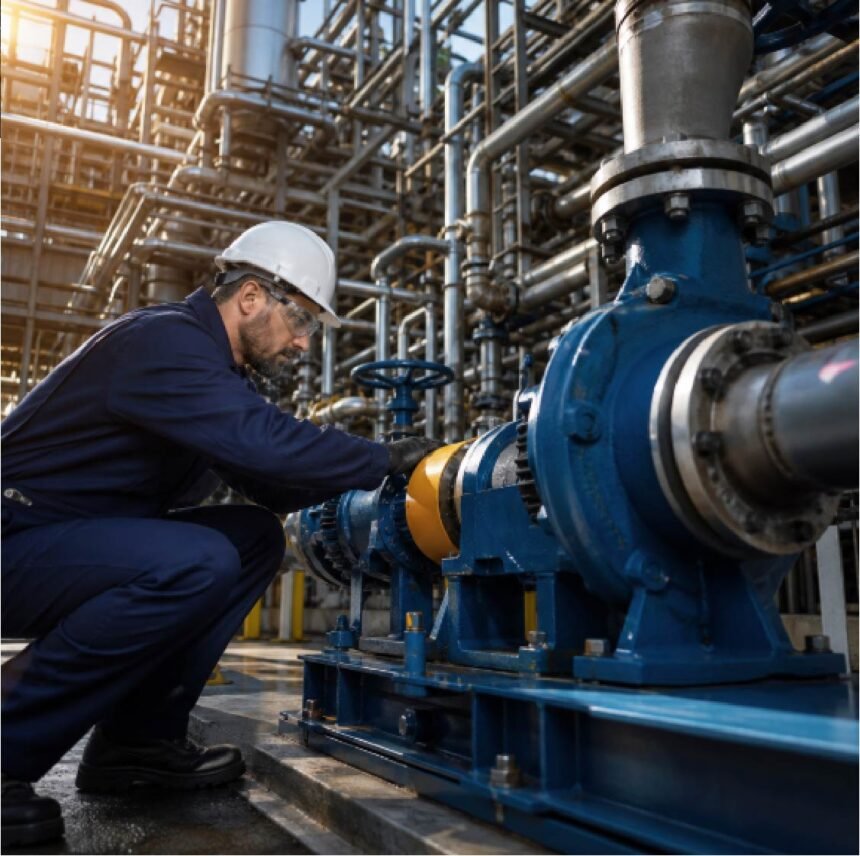
Across the oil and gas, chemical processing, and pharmaceutical industries, the demand for reliable, high-performance process equipment has never been greater. As global supply chains grow more complex and operational standards become increasingly stringent, companies are under pressure to source equipment that not only meets technical specifications but also delivers long-term value. From centrifugal pumps and heat exchangers to complete processing skids, the integrity of industrial equipment directly influences plant safety, productivity, and profitability. Understanding the landscape of process equipment — including how it is sourced, evaluated, and maintained — is essential for engineers, procurement specialists, and plant managers alike.
The Critical Role of Pumps in Industrial Operations
Pumps are among the most fundamental components in any industrial facility. Whether moving corrosive chemicals, crude oil, or pharmaceutical fluids, the right pump selection can mean the difference between seamless operations and costly downtime. Mechanical seal pumps, in particular, have become a preferred choice across demanding sectors due to their ability to handle aggressive media while minimizing leakage and environmental risk. These pumps are engineered to withstand extreme pressures and temperatures, making them indispensable in environments where failure is not an option.
For professionals working in oil, gas, and chemical applications, understanding the nuances of pump technology is vital. GTC Pumps and their mechanical seal solutions represent the kind of specialized engineering that modern industrial operations depend on — equipment designed not just to function, but to perform reliably under the harshest conditions. Selecting the right pump involves evaluating flow rates, fluid viscosity, temperature ranges, and compatibility with process media, all of which require deep technical expertise and access to quality-assured equipment.
Mechanical Seals: Engineering Precision Under Pressure
Mechanical seals are the unsung heroes of pump reliability. Unlike traditional packing seals, mechanical seals create a dynamic barrier between the rotating shaft and the pump casing, preventing fluid from escaping into the environment. In industries where even minor leaks can trigger regulatory penalties, environmental damage, or safety hazards, the quality of a mechanical seal is non-negotiable. Modern designs incorporate advanced materials such as silicon carbide, tungsten carbide, and carbon graphite, each selected based on the chemical compatibility and thermal demands of the application. Proper installation, routine inspection, and timely replacement of mechanical seals are key practices that extend pump service life and reduce unplanned maintenance events.
Sourcing Process Equipment: The Case for Trusted Suppliers
The sourcing of industrial process equipment is a discipline that blends technical knowledge with strategic procurement. Facilities that rely on aging or poorly maintained equipment face escalating risks — from production inefficiencies to catastrophic failures. This is why many plant operators and engineering firms turn to established equipment suppliers who can provide not only the machinery itself but also documentation, inspection records, and technical support.
International Process Plants is a globally recognized name in the buying and selling of used process equipment and complete plants. With decades of experience serving industries including chemical, petrochemical, pharmaceutical, and food processing, the company offers an extensive inventory of pre-owned equipment that has been rigorously evaluated for quality and performance. Their expertise allows buyers to access high-value assets at a fraction of the cost of new equipment, while sellers benefit from a trusted marketplace with genuine global reach.
Why Used Process Equipment Deserves a Second Look
There is a persistent misconception that used industrial equipment is inherently inferior to new machinery. In reality, many pre-owned process units — particularly those from reputable manufacturers — retain significant operational life and can be refurbished to meet current standards. For companies managing tight capital budgets or facing long lead times on new equipment orders, the used equipment market offers a practical and often superior alternative. The key lies in working with suppliers who conduct thorough inspections, provide accurate condition reports, and stand behind the equipment they sell. When these conditions are met, used process equipment can deliver exceptional return on investment.
Safety and Cybersecurity in Modern Industrial Systems
As industrial facilities become increasingly connected through digital control systems and networked devices, the intersection of physical equipment safety and cybersecurity has grown more complex. This challenge is not limited to heavy industry — it extends to any sector that relies on networked equipment to manage critical processes. The healthcare sector, for instance, has grappled extensively with the security of connected medical devices, and the lessons learned there are directly applicable to industrial environments.
Guidance from authoritative bodies such as the National Cybersecurity Center of Excellence provides a valuable framework for understanding how to protect networked systems from unauthorized access and operational disruption. Their work on securing wireless infusion pumps in healthcare settings illustrates the broader principle that any connected device — whether a medical pump or an industrial control system — must be treated as a potential vulnerability. Industrial operators would do well to apply similar risk assessment methodologies to their own networked process equipment, ensuring that digital connectivity does not become a liability.
Integrating Physical and Digital Risk Management
Effective risk management in modern industrial plants requires a dual focus: maintaining the physical integrity of equipment while simultaneously securing the digital infrastructure that monitors and controls it. This means implementing robust access controls, conducting regular firmware updates on connected devices, and training operations staff to recognize potential security threats. It also means selecting equipment from suppliers who understand these dual requirements and can provide assets that are compatible with contemporary cybersecurity protocols. The convergence of operational technology and information technology is reshaping how industrial facilities approach both procurement and maintenance planning.
Building Long-Term Operational Resilience
Operational resilience in industrial settings is built on a foundation of quality equipment, skilled personnel, and proactive maintenance strategies. No single factor is sufficient on its own. A plant equipped with the finest pumps and process units will still underperform if maintenance schedules are neglected or if procurement decisions are made without adequate technical due diligence. Conversely, even a modest equipment inventory can support high productivity when managed by experienced teams who understand the systems they operate.
Long-term resilience also depends on building strong relationships with suppliers and service providers who can respond quickly when equipment issues arise. Whether it is sourcing a replacement pump on short notice, arranging for on-site inspection of a critical vessel, or identifying a complete processing line for a new facility, having trusted partners in place reduces response times and minimizes the impact of unexpected events on production continuity.
Conclusion: Precision, Partnership, and Performance
The industrial process equipment sector demands precision at every level — from the engineering of individual components like mechanical seal pumps to the strategic sourcing of complete plant assets. Companies that invest in quality equipment, maintain rigorous safety and cybersecurity standards, and cultivate relationships with knowledgeable suppliers are best positioned to achieve sustained operational excellence. As the industry continues to evolve, the principles of reliability, accountability, and technical integrity will remain the cornerstones of successful plant management. Whether you are upgrading an existing facility or building a new one, the decisions made at the equipment sourcing stage will shape operational outcomes for years to come.