



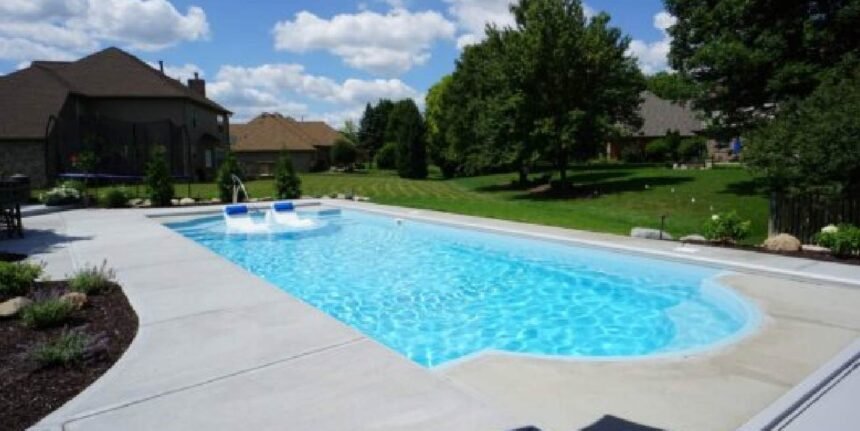
Owning a fiberglass pool comes with its perks—smooth surfaces, easy upkeep, and long-lasting design. But over time, even the strongest pool shells start to show wear. Cracks, blisters, fading, or rough textures often push homeowners toward two choices: fiberglass pool resurfacing or a full pool remodel. The first option seems less expensive, while the second promises a total transformation. So the big question is: is the cost of resurfacing really worth it, or should you invest in a complete remodel instead?
Cost vs. Value in Pool Resurfacing
Why Pool Owners Hesitate Due to High Costs
The cost of fiberglass pool resurfacing can seem high upfront. Homeowners often hesitate, comparing it to simply saving up for a remodel. But it’s important to remember that resurfacing typically costs a fraction of a full remodel. Instead of ripping out the entire shell, resurfacing restores the pool’s surface and extends its life by 10 to 15 years.
Affordable Resurfacing Options That Extend Pool Life
Resurfacing comes with flexible choices. Epoxy coatings, gel coats, and polyurea finishes vary in price and lifespan. While some are budget-friendly for short-term fixes, others last longer and provide better returns on investment. For many pool owners, resurfacing offers the perfect balance between cost and durability.
Safety and Comfort Considerations
The Problem With Rough or Slippery Fiberglass Surfaces
Old fiberglass pools often develop rough patches, chalky textures, or slippery spots. These aren’t just cosmetic problems—they affect safety. Children may scrape their feet, and swimmers risk slipping on slick areas. For families, safety concerns alone often push resurfacing higher on the priority list.
How Modern Resurfacing Materials Improve Safety
Today’s resurfacing products do more than just patch problems. Advanced coatings can create a non-slip, smooth, and UV-resistant finish. These upgrades make swimming more enjoyable and safer while also enhancing the look of the pool. Compared to a remodel, resurfacing can fix safety concerns faster and at a much lower cost.
Resurfacing vs. Replacement Decisions
When Is Resurfacing Enough to Fix Your Pool?
Resurfacing is best for pools with cosmetic or surface-level damage. If the fiberglass shell is strong, resurfacing can restore beauty and function. It’s ideal when issues are limited to cracks, discoloration, or roughness. In these cases, resurfacing is worth every penny because it prevents unnecessary demolition.
Signs That a Full Pool Remodel Is the Better Option
A full remodel becomes necessary when the structure itself is compromised. Severe leaks, large-scale shell separation, or outdated designs that no longer meet your needs may call for replacement. While costly, a remodel can also update depth, shape, and add new features—something resurfacing alone cannot achieve.
Choosing the Right Resurfacing Material
Why Some Coatings Fail Faster Than Expected
Not all resurfacing jobs are equal. Poor-quality coatings or improper application can lead to peeling within just a few years. This leaves homeowners frustrated and facing repeated costs. Skimping on materials or hiring inexperienced contractors often leads to these problems.
How Epoxy, Polyurea, and Gel Coats Offer Long-Term Solutions
High-quality resurfacing materials make a huge difference. Epoxy coatings are affordable but may need refreshing sooner. Gel coats mimic the original fiberglass finish and can last up to 15 years with proper care. Polyurea finishes are newer but highly durable, offering strong resistance to chemicals and UV rays. Choosing the right material based on budget and goals ensures resurfacing remains cost-effective over time.
Comparing Costs: Resurfacing vs. Remodeling
The Price Range for Fiberglass Pool Resurfacing
On average, resurfacing costs significantly less than remodeling. Depending on the size of the pool and the material chosen, resurfacing can range from a few thousand dollars to mid-level five figures. For many families, this makes it the practical choice when budgets are tight but repairs are urgent.
Why Remodels Demand a Higher Price Tag
A full remodel involves excavation, new shells, plumbing updates, and often landscaping changes. These projects can easily run into tens of thousands of dollars or more. While remodeling offers complete customization, the costs are far beyond resurfacing. For most pool owners, resurfacing delivers a faster, cheaper, and highly effective solution.
Conclusion
So, is the cost of fiberglass pool resurfacing worth it compared to a full pool remodel? In most cases, the answer is yes. Resurfacing restores beauty, safety, and function at a fraction of the price. It extends the pool’s life, improves comfort, and solves surface-level problems without major construction.
That said, resurfacing isn’t always the answer. When the pool’s structure is beyond repair or a homeowner wants a brand-new design, a remodel may be the only option. But for most fiberglass pool owners, resurfacing provides the ideal balance between affordability and long-term value. In the end, resurfacing isn’t just about saving money—it’s about getting the most life and enjoyment out of the pool you already have.