



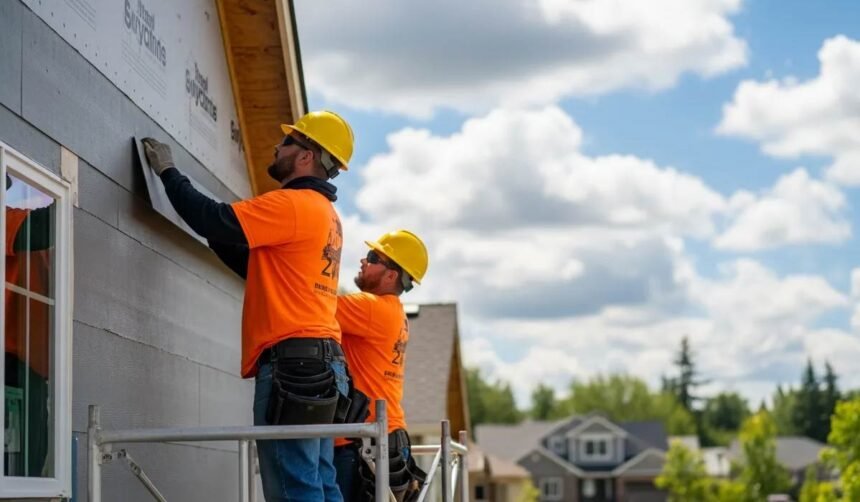
Your home’s siding does much more than enhance curb appeal. It serves as a protective barrier against rain, wind, pests, and temperature fluctuations while helping maintain your home’s structural integrity. When siding becomes damaged or worn, it can leave your property vulnerable to costly problems that extend far beyond the exterior.
Many homeowners don’t realize their siding needs attention until significant damage has already occurred. Recognizing the warning signs early can help you address issues before they lead to expensive repairs. Here are seven signs that indicate it’s time to seek professional assistance immediately.
1. Cracks, Holes, or Visible Damage
One of the most obvious signs of siding trouble is visible physical damage. Cracks, holes, chips, and broken panels can develop over time due to severe weather, impacts, age, or poor installation.
Even small openings can create serious problems because they allow moisture and pests to enter behind the siding. Water infiltration can lead to mold growth, wood rot, and structural deterioration.
Inspect your home’s exterior regularly and pay close attention to areas that have experienced storm damage. If you notice visible cracks or broken sections, prompt repairs can help prevent further complications.
2. Warping or Buckling Siding
Siding should lie flat against your home’s exterior. If you notice panels that appear warped, buckled, or distorted, it may indicate a deeper issue.
Warping often occurs when moisture becomes trapped behind the siding. Excessive heat exposure can also cause certain materials to expand and deform over time.
Buckled siding is more than a cosmetic concern. It may suggest water damage beneath the surface that could affect the home’s framing and insulation. Because the root cause is not always visible, professional evaluation is often necessary to determine the extent of the problem.
Ignoring warped siding can result in more extensive repairs and higher costs in the future.
3. Increasing Energy Bills
Have your heating and cooling costs been rising without a clear explanation? Damaged siding may be contributing to the problem.
When siding deteriorates, gaps and openings can allow outside air to enter the home. This forces HVAC systems to work harder to maintain comfortable indoor temperatures.
Signs of reduced energy efficiency include:
- Higher utility bills
- Uneven room temperatures
- Drafts near exterior walls
- Increased HVAC usage
Properly functioning siding helps create an effective thermal barrier. Addressing siding issues can improve insulation performance and reduce monthly energy expenses.
4. Mold, Mildew, or Fungus Growth
Mold and mildew growing on or around your siding can indicate excess moisture. While some surface growth may be caused by environmental conditions, persistent mold often signals a more serious problem.
Moisture trapped behind siding creates an ideal environment for mold development. Over time, this can damage building materials and potentially impact indoor air quality.
Look for:
- Green or black discoloration
- Streaking on exterior walls
- Musty odors near exterior surfaces
- Fungus growth around seams or joints
Professional inspection can determine whether moisture intrusion is occurring behind the siding and identify the necessary corrective measures.
5. Peeling Paint or Loose Wallpaper Indoors
Many homeowners are surprised to learn that interior wall problems can be linked to exterior siding damage.
When moisture penetrates through damaged siding, it may travel into wall cavities and affect interior surfaces. This often results in:
- Peeling paint
- Bubbling paint
- Loose wallpaper
- Water stains
- Discoloration on walls or ceilings
If you notice these symptoms inside your home, the source of the problem may actually be outside. Investigating the condition of your siding can help identify hidden moisture issues before they cause significant structural damage.
6. Frequent Need for Repairs
Occasional maintenance is normal for any exterior material. However, if you find yourself repeatedly repairing the same siding problems, it may be time to consider a more comprehensive solution.
Repeated repairs can become costly and may only provide temporary relief if the underlying issues remain unresolved.
Common recurring problems include:
- Loose panels
- Cracked sections
- Water leaks
- Fading materials
- Repeated storm damage
At some point, replacement may become more cost-effective than continuing to patch aging or deteriorating siding. A professional assessment can help determine the best course of action based on the condition of the material.
7. Fading, Discoloration, or Aging Appearance
Siding naturally experiences wear over time due to exposure to sunlight, rain, wind, and changing temperatures. While some fading is expected, significant discoloration can indicate that the material is reaching the end of its useful life.
Severe fading often means that protective coatings have deteriorated, leaving the siding more vulnerable to weather damage.
Additional signs of aging include:
- Chalky residue on surfaces
- Uneven coloration
- Brittle materials
- Visible weathering
- Loss of original appearance
If your home’s exterior looks noticeably worn despite regular cleaning and maintenance, it may be time to explore repair or replacement options.
Why Acting Quickly Matters
Many siding problems worsen gradually. What begins as a small crack or minor moisture issue can eventually lead to extensive structural damage if left untreated.
Prompt action offers several advantages:
- Lower repair costs
- Improved energy efficiency
- Better protection from weather
- Increased property value
- Enhanced curb appeal
- Prevention of mold and rot
Addressing problems early often requires less invasive repairs and helps preserve the overall condition of your home.
The Benefits of Professional Evaluation
While some siding issues are easy to identify, others may remain hidden beneath the surface. Professional inspections provide a thorough assessment of both visible and underlying problems.
Experts can evaluate:
- Moisture intrusion
- Structural damage
- Installation quality
- Material condition
- Ventilation concerns
- Long-term performance expectations
Their recommendations help homeowners make informed decisions about repairs, maintenance, or replacement.
Choosing the Right Solution
Not every siding problem requires a complete replacement. In some cases, targeted repairs can restore functionality and appearance. However, when damage is widespread or the siding has reached the end of its lifespan, replacement may offer the greatest long-term value.
An experienced siding contractor can help determine the most effective solution based on your home’s condition, budget, and long-term goals.
Conclusion
Your home’s siding plays a vital role in protecting the structure, improving energy efficiency, and maintaining curb appeal. Ignoring warning signs such as cracks, warping, mold growth, rising energy bills, or fading materials can lead to costly repairs and unnecessary damage.
By recognizing these seven warning signs and addressing issues promptly, homeowners can protect their investment and maintain a safe, attractive property. Whether your siding requires minor repairs or a complete replacement, taking action early is the best way to avoid larger problems and ensure your home remains well-protected for years to come.