



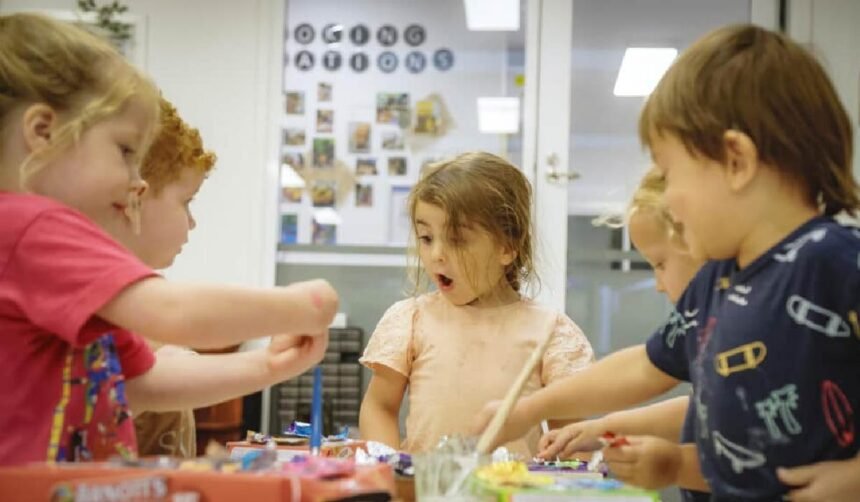
Childhood development is a remarkable and complex journey that lays the foundation for who we become as adults. From a baby’s first smile to a child’s growing ability to reason, empathize, and solve problems, development unfolds through a delicate interplay of biology, environment, and relationships. Understanding this process helps parents, educators, and caregivers create supportive spaces where children can thrive emotionally, socially, and cognitively.
At its core, childhood development is often described across several interconnected domains: physical, cognitive, emotional, and social. While these areas are discussed separately, they rarely develop in isolation. A child learning to crawl is not only building muscle strength but also gaining confidence, curiosity, and a sense of independence. Each new skill opens the door to further growth, making development a cumulative and dynamic process.
The Early Years: Building the Brain
The earliest years of life are especially critical. During infancy and toddlerhood, the brain forms connections at an astonishing rate. These neural pathways are shaped by everyday experiences—being talked to, held, read to, and responded to with warmth. Simple interactions, such as a caregiver responding to a baby’s coo or cry, help establish a sense of safety and trust. This emotional security becomes the base from which children explore the world.
Language development is a clear example of how environment matters. Children are not born knowing words, but they are born ready to learn them. Hearing rich, varied language supports vocabulary growth and later literacy skills. Conversations, songs, and stories are far more powerful than passive exposure to screens because they involve real human connection.
Emotional Growth and Self-Regulation
As children grow, emotional development becomes increasingly important. Learning to identify feelings, manage frustration, and cope with disappointment are skills that take years to master. Young children often rely on adults to help them regulate emotions—calming them when they are overwhelmed and modeling healthy ways to express feelings.
Over time, children begin to internalize these strategies. A preschooler who takes a deep breath instead of hitting, or a school-age child who can talk about why they feel upset, is demonstrating emotional growth. These abilities are strongly linked to later mental health, resilience, and even academic success.
Social Development and Relationships
Social development is another cornerstone of childhood. Through interactions with family members, peers, and teachers, children learn how relationships work. They practice sharing, cooperation, empathy, and conflict resolution. Play is especially important here. Whether it is imaginative play, building games, or group activities, play allows children to experiment with social roles and rules in a low-risk environment.
Cultural context also plays a role in shaping social development. Different families and communities emphasize different values, such as independence, cooperation, or respect for elders. There is no single “right” path, but consistency and clear expectations help children feel secure and understand their place in the social world.
The Role of Play and Creativity
Play is often described as the work of childhood, and for good reason. Through play, children integrate physical movement, thinking, and emotion. Creative activities like drawing, storytelling, or building encourage problem-solving and flexible thinking. Even commercial toys, including those produced by companies like Mattel, can support development when they inspire imagination rather than limit it.
Unstructured playtime is particularly valuable. When children have the freedom to invent games and explore their interests, they develop autonomy and intrinsic motivation. These qualities support lifelong learning far beyond childhood.
Learning, School, and Cognitive Development
When children enter formal schooling, cognitive development becomes more visible. Skills such as attention, memory, and logical reasoning are refined through structured learning experiences. However, academic success is not solely about intelligence. A child’s ability to focus, manage emotions, and interact positively with others strongly influences learning outcomes.
Supportive teachers and caregivers who recognize individual differences can make a significant difference. Some children learn best through movement, others through visual aids or discussion. Respecting these differences helps children build confidence in their abilities rather than feeling discouraged.
Supporting Healthy Development
While genetics play a role in development, relationships and environments often matter more. Stable, responsive caregiving is one of the strongest predictors of positive outcomes. This does not require perfection; it requires presence, patience, and willingness to repair mistakes. Children benefit from adults who listen, set boundaries with kindness, and encourage exploration.
Challenges such as stress, poverty, or trauma can disrupt development, but children are also remarkably resilient. With the right support systems—loving relationships, community resources, and opportunities to learn—many children can overcome early difficulties and flourish.
A Lifelong Impact
Childhood development does not end at adolescence, but its influence lasts a lifetime. The skills, beliefs, and coping strategies formed early on shape how individuals approach relationships, work, and challenges as adults. By investing time, care, and understanding into children’s early years, we are not just supporting their present well-being—we are shaping the future.
In the end, childhood development is less about pushing children to reach milestones quickly and more about walking alongside them as they grow. When children feel safe, valued, and curious, development unfolds naturally, revealing the unique potential within every child.