



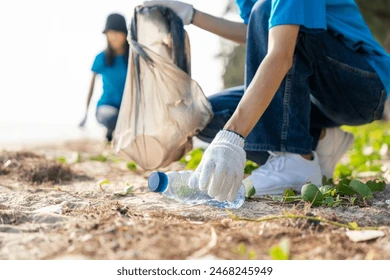
Since the start of the COVID-19 pandemic, billions of face masks have been used worldwide. Whether it’s a surgical mask, N95, or even a cloth one, these items have become part of our daily lives. But once they’ve done their job, where do they go?
For many, the answer is the trash can. But that single act—done millions of times a day—adds up to a major waste crisis. It’s time to take a closer look at mask recycling and why it’s more important now than ever before.
The Environmental Impact of Mask Waste
Masks Are Made of Plastic That Doesn’t Break Down
Most disposable masks are made with polypropylene, a type of plastic that doesn’t decompose. When tossed in the trash, these masks end up in landfills, waterways, or worse—oceans. There, they can last hundreds of years, breaking down into microplastics that harm ecosystems.
Wildlife and Marine Life Are at Risk
Animals can mistake masks for food or get tangled in the ear loops. Sea turtles, birds, and fish have all been found injured or killed due to improperly discarded PPE. What was meant to protect people is now a threat to animals worldwide.
The Numbers Are Staggering
According to researchers from the American Chemical Society, an estimated 129 billion face masks were used every month during peak pandemic periods. Even as use has dropped, the waste continues to pile up.
Why Mask Recycling Is Becoming a Must
The Waste Problem Isn’t Going Away
As long as masks are used—whether for medical care, travel, or flu season—waste will keep building. Without action, we’re facing a long-term pollution issue that goes beyond the pandemic.
Public Awareness Is Still Low
Many people don’t know that mask recycling programs exist. Others assume masks can’t be recycled at all. But with proper sorting and collection, certain types of PPE can be processed and turned into new materials.
Climate Change Adds Pressure
Reducing waste isn’t just about keeping streets clean. It’s part of a larger fight against climate change. Recycling plastic masks can help reduce the demand for new plastic production, cutting down on fossil fuel use.
What Masks Can (and Can’t) Be Recycled
Disposable Masks Like Surgical and N95
These masks can’t be tossed into your curbside bin, but they can be recycled through specialized programs. Some companies collect them for thermal processing, turning them into usable fuel or plastic pellets.
Cloth Masks
Reusable cloth masks are the most eco-friendly choice. When they’re worn out, they can be recycled like clothing or donated if still usable. Always remove filters or metal nose strips before recycling.
What You Should Never Do
Don’t recycle masks with regular plastics or paper. They can contaminate batches and damage equipment at recycling centers. Always check for approved drop-off points or mail-in services.
Innovative Solutions for Mask Recycling
Thermal Decomposition Technologies
Companies around the world are using pyrolysis to break down used masks at high heat. This process converts masks into fuel or raw materials, with minimal pollution.
Recycled Mask Products
Some startups are turning old masks into:
- Plastic bricks
- Outdoor furniture
- Road materials
These creative ideas keep masks out of landfills and give them a second life.
Community Collection Programs
In some cities, mask recycling bins have been placed in schools, malls, and offices. These programs help raise awareness and reduce litter at the same time.
How You Can Start Recycling Masks Today
Use Reusables When Possible
Switch to washable cloth masks when it makes sense. They reduce waste and can be cleaned easily. Keep a few spares on hand so you’re not tempted to use disposables every day.
Collect Used Masks Safely
If you do use disposable masks, place them in a designated container at home or work. Once full, send them to a certified mask recycling program. Always follow hygiene and safety rules.
Spread the Word
Talk to your workplace, school, or local community group about starting a collection drive. The more people know, the bigger the impact.
Why Mask Recycling Matters for the Future
It Teaches Responsible Habits
Getting used to recycling masks helps build habits that extend to batteries, electronics, and textiles. Every small action adds up to real change.
It Protects Public Spaces
Fewer masks on sidewalks and in storm drains means cleaner neighborhoods, safer parks, and better public health.
It Shows We’ve Learned From the Pandemic
The pandemic taught us how to care for one another. Now, we can use that same care to protect the planet. Recycling masks is a small step with big meaning.
Conclusion: One Mask Can Make a Difference
It’s easy to toss a mask in the trash and forget about it. But that simple choice has consequences—for the planet, for wildlife, and for future generations. Mask recycling offers a smarter, safer way forward.
Whether you switch to cloth, collect used masks for special programs, or help others do the same, you’re making a positive impact. We’ve adapted our habits to protect each other—now let’s adapt them to protect the Earth too.